
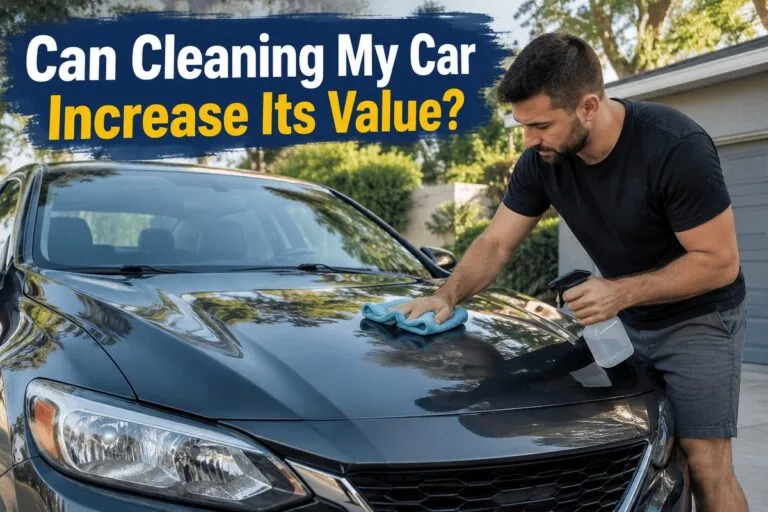
Can cleaning my car increase its value? In many cases, yes, especially when you are selling a used car that still has meaningful resale value. A clean vehicle can make a stronger first impression, help buyers see its actual condition, and make it easier to identify features that may otherwise be hidden by dirt, stains, clutter, or grime.
However, cleaning does not affect every vehicle the same way. If you are selling an older used car, cleaning may help you get a better offer. If you are trying to sell a junk car, damaged vehicle, or non-running car, extensive detailing may not provide enough additional value to justify the time or expense.
Understanding when cleaning is worthwhile can help you prepare your vehicle without spending money unnecessarily.
How Cleaning Can Affect Your Car’s Resale Value
A clean car generally looks like it has been better maintained. Even when cleaning does not change the vehicle’s mechanical condition, it can improve how a potential buyer evaluates the car.
Dirt, trash, stains, dust, and unpleasant odors can distract from the vehicle’s positive qualities. A buyer may also wonder whether a neglected-looking interior or exterior indicates neglected maintenance.
Cleaning can help by:
- Making the exterior paint and body condition easier to evaluate
- Improving the appearance of the seats, carpets, dashboard, and trim
- Removing clutter that makes the interior look smaller or more worn
- Making wheels, tires, lights, and exterior trim look more presentable
- Reducing odors caused by food, spills, dirt, or everyday use
- Helping buyers focus on the vehicle rather than its cleanliness
For a used car in good or fair condition, these improvements can make the vehicle more appealing and potentially support a stronger selling price.
Does a Clean Car Get a Higher Trade-In or Cash Offer?
Cleaning your car can help its presentation, but it does not guarantee a higher cash offer. Professional car buyers typically consider several factors when determining used car value, including the year, make, model, mileage, mechanical condition, accident history, title status, and local demand.
Cleaning cannot change these underlying factors.
For example, washing a vehicle will not increase its mechanical value if it has a failed transmission. Shampooing the carpets will not erase 200,000 miles from the odometer. A full detail also will not repair collision damage or turn a salvage title into a clean title.
Where cleaning can make a difference is in the overall condition assessment. If two similar used vehicles have comparable mileage and mechanical condition, the cleaner and better-presented car may be more desirable.
Cleaning Helps Buyers See the Car’s Actual Condition
Heavy dirt can make scratches, dents, faded paint, and other exterior issues difficult to evaluate. Inside the car, clutter and grime can make relatively minor wear appear much worse.
A basic cleaning removes some of that uncertainty.
This is especially useful when selling a used car for cash because the buyer can spend less time trying to determine what is dirt and what is permanent damage.
How Much Cleaning Should You Do Before Selling a Used Car?
You do not necessarily need professional detailing before selling your car. For many vehicles, a thorough basic cleaning is enough.
Focus on inexpensive tasks that provide noticeable results.
Wash the Exterior
A basic exterior wash can remove dirt, dust, road grime, bird droppings, and other buildup. In Southern California, vehicles can accumulate dust quickly, particularly when they are parked outside for extended periods.
Pay attention to visible areas such as:
- Body panels
- Windows and mirrors
- Headlights and taillights
- Wheels
- Tires
- License plate area
- Door jambs
After washing the vehicle, you may discover scratches, paint damage, dents, or oxidation that were previously hidden. While those issues can affect used car value, knowing about them before requesting an offer can help you provide a more accurate description of the vehicle’s condition.
Clean Out the Interior
Removing personal belongings and trash is one of the easiest ways to improve a vehicle before selling it.
Check the glove compartment, center console, door pockets, trunk, cargo area, underneath the seats, and seatback pockets. Remove anything that does not belong with the vehicle.
After clearing everything out, vacuum the seats, carpeting, floor mats, and cargo area. Wipe dust and grime from the dashboard, steering wheel, center console, cup holders, door panels, and other frequently touched surfaces.
These simple steps can make an older used car look significantly more presentable without requiring an expensive detailing service.
Clean the Windows and Mirrors
Dirty or streaked windows can make an otherwise clean vehicle feel neglected. Cleaning the inside and outside of the windows improves the vehicle’s appearance and visibility.
Do not forget the windshield, rear window, side windows, mirrors, and glass around the edges where buildup may be noticeable.
Address Minor Odors
Strong odors can reduce a buyer’s interest in an otherwise desirable used vehicle. Smoke, pets, spilled drinks, food, mildew, and other sources can leave lasting smells inside a car.
Vacuuming and removing the source of the odor should come before using fragrances. Heavy air fresheners may temporarily cover a smell, but they do not eliminate the underlying problem.
If the odor requires expensive professional treatment, consider the value of the vehicle before paying for it. The cost may not be worthwhile on an older or heavily damaged car.
Is Professional Car Detailing Worth It Before Selling?
Professional detailing can make sense for certain used vehicles, but it is not automatically a good investment.
Suppose professional detailing costs several hundred dollars. If the detail only increases the selling price by a small amount, you may not recover what you spent. The goal when preparing a car for sale should be to improve your net return, not simply make the vehicle as clean as possible.
Professional Detailing May Make Sense When:
- The car is relatively new
- The vehicle has a strong resale value
- The paint is in good condition underneath surface dirt
- The interior has stains that can realistically be removed
- You plan to sell the vehicle privately
- Presentation is likely to influence competing buyers
For a lower-value used car, basic DIY cleaning may provide a better return for the amount of money and effort involved.
Should I Clean a Junk Car Before Selling It?
If you are selling a junk car, extensive cleaning is usually unnecessary.
Junk car value is often determined more heavily by the vehicle itself, its usable components, condition, weight, make and model, and other factors relevant to the buyer. A professional detail is unlikely to transform the value of a severely damaged or non-running vehicle.
You should still remove personal belongings and important documents before selling a junk car. A quick cleanup can also make it easier to inspect the vehicle and ensure nothing personal is accidentally left behind.
However, you generally do not need to spend hours polishing the exterior of a car with major collision damage or shampooing the carpets in a vehicle being sold primarily for parts or recycling.
When Cleaning a Junk Car Is Probably Not Worth the Cost
Think carefully before spending money on cleaning when the vehicle has:
- Major accident damage
- Severe mechanical problems
- A blown engine
- Transmission failure
- Extensive body damage
- Significant rust or corrosion
- Flood or fire damage
- Missing major components
- Very high mileage combined with serious mechanical problems
- A condition that makes the vehicle unsuitable for normal resale
For vehicles in these categories, the money spent on professional detailing could exceed any increase in the cash offer.
Cleaning vs. Repairs: Where Should You Spend Money?
Cleaning is usually less expensive than mechanical or cosmetic repairs, which makes it a reasonable first step when preparing a used car for sale. Repairs require a more careful calculation.
You might be tempted to fix every dent, replace worn parts, repair the air conditioning, install new tires, or correct warning lights before selling. Those improvements can be costly, and there is no guarantee you will recover the expense through a higher sale price.
Before spending money, compare the estimated cost of the work with the realistic increase in your car’s value.
For example, spending a modest amount on basic cleaning supplies may make sense for a running used car. Spending thousands of dollars repairing an older vehicle just to sell it may not.
If you are selling a damaged car, junk car, or non-running vehicle in Southern California, getting a cash offer in its current condition can help you determine whether repairs are financially worthwhile.
Avoid Hiding Problems When Cleaning Your Car
Cleaning should improve presentation, not conceal defects.
Do not attempt to hide warning lights, leaks, water damage, major stains, body damage, or mechanical problems simply to make the car appear more valuable. Buyers may discover these issues during an inspection, test drive, vehicle history review, or after examining the car more closely.
Instead, use cleaning as an opportunity to understand the actual condition of your vehicle.
Once the dirt and clutter are gone, you can more accurately evaluate:
- Scratches and dents
- Paint condition
- Interior wear
- Tire condition
- Broken trim
- Cracked glass
- Dashboard warning lights
- Missing components
- Fluid leaks or other visible mechanical concerns
Having an accurate picture of the car’s condition can make it easier to request a realistic cash offer.
Don’t Forget the Trunk and Cargo Area
Sellers often focus on the driver’s area and forget about the trunk or rear cargo space.
Remove unnecessary items, vacuum loose debris, and check underneath the trunk floor or cargo mat. Make sure personal belongings are removed from storage compartments as well.
If the vehicle still has its spare tire, jack, cargo cover, floor mats, or other original equipment, keeping those items with the car may be preferable to throwing them away during cleanup.
What Should You Remove Before Selling Your Car?
Cleaning is also a good opportunity to make sure you have removed everything that should not leave with the vehicle.
Before handing your car over to a buyer, check for personal belongings and personal information.
Look through:
- Glove box
- Center console
- Door compartments
- Under the seats
- Trunk or cargo area
- Sunglasses holders
- Seat pockets
- Auxiliary storage compartments
Also remove personal data stored in the vehicle’s infotainment system when applicable. Delete saved addresses, paired phones, contacts, garage door codes, and other personal information before transferring ownership.
Can You Sell a Dirty Car?
Yes. A car does not have to be professionally cleaned before you sell it.
This is particularly important for people selling junk cars, damaged cars, older high-mileage vehicles, or non-running cars. You may be able to sell the vehicle in its current condition without investing in detailing.
A basic cleanup can still be useful, especially for removing personal belongings and making the vehicle easier to inspect. But you should consider the expected value of the car before spending significant money.
If a vehicle is worth considerably more as a normal used car, cleaning may help improve its presentation. If it is primarily being valued as a junk, salvage, damaged, or non-running vehicle, expensive detailing is less likely to deliver a meaningful return.
How to Decide Whether Cleaning Your Car Is Worth It
The right amount of cleaning depends on the vehicle and how you plan to sell it.
Ask yourself three questions:
- What is the car realistically worth in its current condition? A higher-value used vehicle may justify more preparation than a severely damaged junk car.
- How much will cleaning cost? DIY cleaning may require only basic supplies and a few hours. Professional detailing can cost substantially more.
- Is cleaning likely to increase the sale price by more than it costs? If not, extensive detailing may not be a good financial decision.
For most running used vehicles, washing the exterior, vacuuming the interior, removing trash, and cleaning the windows are sensible steps. For junk cars, a basic cleanup and removal of personal belongings may be all that is necessary.
Get a Cash Offer Before Spending Too Much on Your Car
One of the easiest ways to avoid unnecessary expenses is to find out what your vehicle may be worth before paying for extensive detailing or repairs.
If you are looking to sell a used car, junk car, damaged car, or non-running vehicle in Southern California, Sell My Car SoCal buys vehicles in a wide range of conditions. Getting a cash offer first can give you a useful point of comparison before deciding whether additional cleaning or repairs are worth your money.
Cleaning your car can increase its value when appearance plays an important part in the sale, particularly for a running used vehicle in otherwise good condition. The key is to keep the cost in perspective. Basic cleaning often makes sense, while expensive detailing may not.
For a junk car or heavily damaged vehicle, focus on removing your belongings, gathering the necessary paperwork, and understanding what the vehicle is worth in its current condition. If your main goal is to sell your car for cash without putting more money into it, Sell My Car SoCal can provide an offer based on the vehicle you have now.
Content reviewed and published by Sell My Car SoCal Editorial Team .